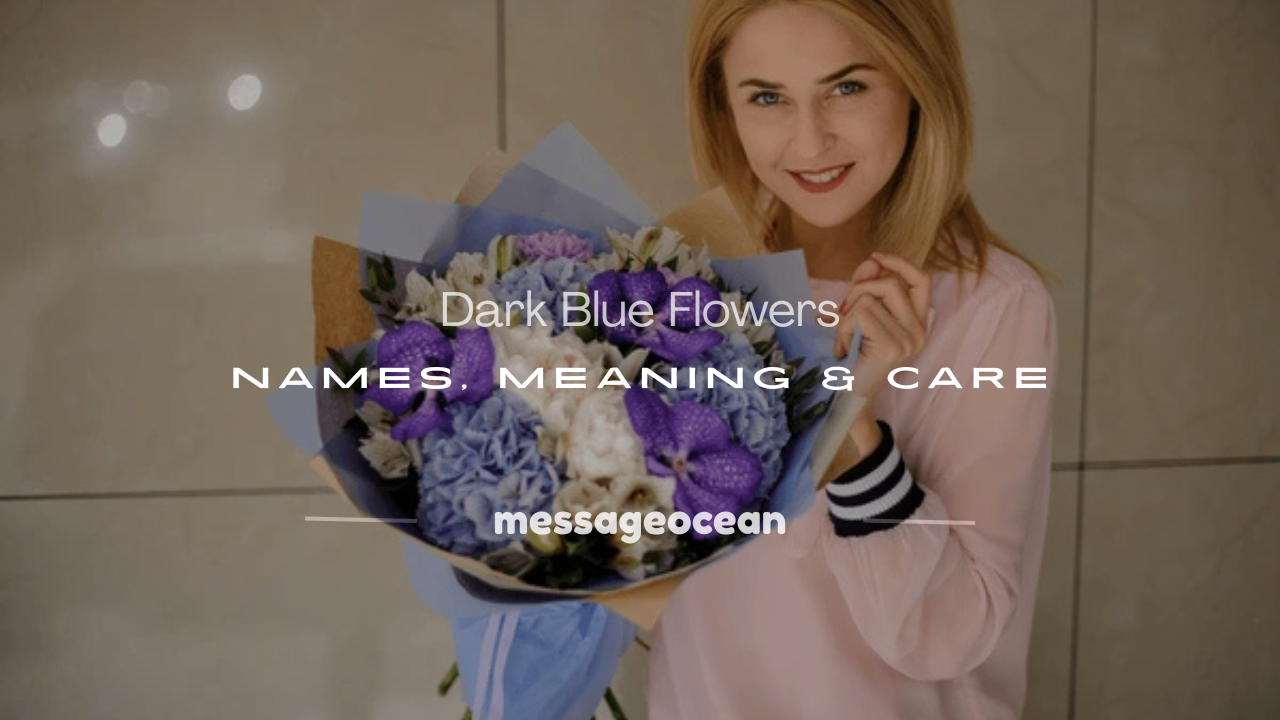
When people say flower dark blue, they usually mean blooms that read as deep blue, navy, or indigo—those rich, moody petals that look almost velvety in the right light. This guide is built for anyone searching dark blue flower ideas for gardens, bouquets, weddings, or design projects check more here : 150+ Professional Replies to Client Appreciation Emails
You’ll get clear dark blue flower names, where each plant grows best, bloom seasons, and simple care tips—plus practical help choosing flowers that stay blue (instead of shifting purple), and styling ideas for everything from a dark blue flower bouquet to a dark blue flower background for invitations or décor.
What Counts as a Dark Blue Flower
Dark blue vs purple vs indigo (how to tell)
A true dark blue bloom looks cool-toned, not reddish. If it leans wine, magenta, or “royal violet,” it’s usually purple rather than blue. Indigo often sits between blue and purple—still cool, but deeper and duskier. If you’re building a list of dark blue flower types, a helpful trick is to compare petals next to something pure white: true blues look crisp and cool; purples look warmer and more red-leaning.
Why true blue blooms are rare in nature
Natural “blue” pigments are complex. Many flowers that appear blue are actually violet or purple-blue, especially in heat or intense sun. That’s why truly deep blues—like some delphiniums, cornflowers, and select irises—are so prized when you want a strong dark blue color flower look that holds up in arrangements and photos.
Lighting and camera tricks that change “blue” (sun, shade, white balance)
Blue is the easiest color to “shift” on camera. Morning sun can make petals look softer; harsh afternoon light can wash them out; shade can deepen them into navy. Your phone’s white balance can also turn blue into purple. If you’re choosing flowers for a dark blue flower wallpaper or a dark blue flower painting, take test photos in both sun and shade before committing to a palette.
Are Blue Flowers Natural or Dyed
Naturally blue flowers vs dyed blue flowers (what florists do)
Many popular “blue” florals are naturally blue-ish (delphinium, cornflower, iris), but some intense navy arrangements use dyed blooms—especially when clients want a specific exact shade. Florists may dye white flowers to match a theme, which can look stunning for events but won’t behave like natural petals.
Popular dyed options (and how to spot them)
Dyed flowers often show color pooling on petal edges, streaking near veins, or unnatural uniformity. If you’re shopping for dark blue flower arrangements and the shade looks like ink rather than a natural gradient, it may be dyed. Another hint: stems can show faint coloration in the water.
When dyed blue is okay (events) vs when to avoid (gardens)
Dyed flowers can be perfect for one-day celebrations—like a dramatic dark blue flower corsage or event centerpieces—because you’re prioritizing color impact. For gardens, dyed “blue” doesn’t apply; you’ll want plants with naturally blue blooms and the right conditions to keep the color from fading.
Dark Blue Flowers for Bouquets and Cut Arrangements
Delphinium (deep blues for tall drama)
dark blue delphinium flower is one of the best choices when you want height, movement, and a strong blue statement. Delphiniums give that tall “cathedral” look in bouquets, especially paired with white roses or soft greenery. For people searching flower perrenials dark blue delphinium, many delphiniums can return in the garden in the right climate, though some are grown as short-lived perennials depending on conditions.
Iris (rich blue/purple-blue elegance)
If you want structured elegance, irises are timeless. dark blue iris flower varieties can read as deep cobalt, blue-violet, or near-navy depending on light. Many people search iris flower dark blue because it’s one of the easiest “deep blue” looks to find in spring arrangements and gardens.
If you want the deepest tones, look for deep dark blue iris flower cultivars, and especially bearded iris types like dark blue bearded iris flower, which can appear almost inky at the petal falls.
Cornflower (true blue, classic wildflower look)
Cornflower (often called bachelor’s button) is a classic for a more natural, meadow-style blue. It adds texture without feeling heavy, which is great if you’re building a softer dark blue flower bouquet that still reads clearly blue.
Anemone (dark centers, moody blue tones)
Anemones are loved for their bold centers and modern, editorial look. dark blue anemone flower options can lean toward indigo with dramatic contrast—perfect for moody arrangements, especially when paired with whites, silvers, and deep greenery.
Lisianthus (velvety deep blues in some cultivars)
Lisianthus can look romantic and luxurious, with petals that feel almost satin-like. Deep blue cultivars are popular when you want a refined “soft navy” vibe in bouquets that still feels delicate rather than intense.
Bachelor’s button vs cornflower (quick clarity)
People often use the names interchangeably. Cornflower is commonly used for Centaurea cyanus; “bachelor’s button” is a frequent nickname. If you’re searching dark blue flower names, you may see both—just check the botanical name if you need accuracy.
Best pairing flowers for dark blue (white, blush, greenery, silver foliage)
For the richest blue effect, pair deep blues with high-contrast neutrals and cool foliage. Classic options:
- Crisp whites for clean contrast
- Blush for romantic softness
- Silver foliage for an elevated, modern palette
- Deep greens for a moody, garden-inspired look
If you’re specifically planning a dark blue and white flower bouquet (or even a dark blue and white flower theme), use white as the “light source” in the arrangement—white blooms near the focal point make blues look deeper instantly.
Dark Blue Flowers for Full Sun Gardens
Salvia (deep blue spikes, pollinator-friendly)
Salvia is a top pick for reliable blue in full sun. It blooms in upright spikes, handles heat better than many delicate blues, and attracts pollinators—making it both beautiful and functional.
Lobelia (intense blue edging and containers)
Lobelia is known for intense blue tones in small blooms, perfect for edging, hanging baskets, and containers. In cooler weather, it can look especially vivid.
Veronica / spike speedwell (blue spires, long bloom)
Veronica adds vertical structure with blue flower spikes that hold well in borders. If you’re hunting for a dependable veronica dark blue flower, look for cultivars labeled deep blue or indigo-blue, and give them full sun for best color.
Nigella (love-in-a-mist, airy and unique)
Nigella brings an airy, delicate texture, with petals that often read as blue in a whimsical, cottage-garden way. It’s especially beautiful if you like a natural, slightly wild look.
Flax (simple, true-blue look in the right variety)
Flax can offer surprisingly clear blue blooms, though the flowers are often short-lived day to day. Planting in drifts helps the color read stronger across the garden.
Morning glory (blue climber options)
Morning glory is a classic climber with vivid blue options, especially in the right light. It’s ideal if you want blue height on trellises, fences, or arches.
Best soil and watering for stronger blue color
Blue often looks best when plants aren’t stressed. Consistent watering, well-draining soil, and appropriate feeding help blooms hold richer color. Heat stress can wash blue toward purple or faded tones, so mulch and morning watering help in hot climates.
Dark Blue Flowers for Shade and Part Shade
Brunnera (blue flowers + beautiful foliage)
Brunnera is a shade-garden favorite: tiny blue blooms paired with gorgeous foliage. It’s an excellent “blue accent” plant under trees or along shaded borders.
Pulmonaria / lungwort (early-season blue in shade)
Lungwort brings early spring color to shade and part shade. Its blooms can shift tones, but many varieties read as blue enough to support a dark-blue garden palette.
Ajuga (groundcover with blue flower spikes)
Ajuga is a strong groundcover that sends up blue spikes and fills space quickly. It’s useful when you want blue in the lower layer of the garden without demanding full sun.
Hydrangea (how soil acidity shifts toward blue)
Hydrangeas are famous for color shifting: some varieties can become more blue in acidic soil. If you’re chasing “deep blue,” you’ll want the right hydrangea type and soil conditions—otherwise you may get purple or pink instead.
How to keep “blue” from fading in hot afternoons
In shade and part shade, blue blooms often look richer because they aren’t blasted by direct sun. For plants that tolerate it, part shade can help keep petals from bleaching. Also, steady watering reduces stress-fading.
Dark Blue Flowering Bulbs for Spring
Grape hyacinth (deep cobalt clusters)
Grape hyacinths deliver dense clusters of deep blue in early spring, and they naturalize well—meaning they can come back and spread over time.
Siberian squill (small but vivid blue)
Siberian squill offers small but striking blue blooms that can form beautiful carpets under trees and along edges in early spring.
Glory-of-the-snow (early blue carpets)
Glory-of-the-snow lives up to its name, popping up early and creating cheerful blue drifts that feel like the garden waking up.
Planting calendar + depth + spacing basics
Most spring bulbs do best planted in fall. Planting depth typically depends on bulb size, but a simple rule is deeper planting for larger bulbs and slightly shallower for small bulbs—always in well-draining soil to prevent rot.
Dark Blue Perennials That Come Back Every Year
Perennial geranium (blue shades and reliability)
Perennial geraniums offer dependable blooms and a soft, natural look. Many varieties lean blue-lavender, but the right cultivars can support a deep-blue palette, especially when paired with high-contrast whites.
Baptisia / false indigo (blue blooms + structure)
Baptisia adds structure and a shrub-like presence with blue flower spikes. It’s a great choice if you want a long-lived plant that anchors a border.
Echinops / globe thistle (steel-blue spheres)
Globe thistle brings bold, architectural texture—perfect for modern or drought-tolerant gardens. The spherical blooms also look amazing dried.
Campanula / bellflower (blue bells for borders)
Bellflowers add charming blue bells that work well in borders and cottage gardens. They’re a great mid-layer plant when you want repeated blue touches across a bed.
Amsonia / bluestar (soft blue flowers, strong garden value)
Amsonia has softer blue blooms, but it’s valued for overall garden performance, graceful shape, and seasonal interest beyond the flowering window.
Dark Blue Flowering Shrubs and Vines
Caryopteris / bluebeard (late-season blue)
Bluebeard is a standout late-season bloomer that brings blue when many summer flowers are fading. It’s excellent for pollinators and adds a soft, airy look.
Clematis (blue cultivars for trellises)
Clematis gives you dramatic blooms on vertical structures. Blue cultivars can be stunning on trellises and fences, especially paired with white-flowering companions.
Passionflower (bold blue tones in the right variety)
Passionflower can bring striking, unusual blooms with blue tones in the right varieties—an eye-catching choice for warm climates and protected spots.
Butterfly bush blue varieties (what “blue” really looks like)
Many “blue” butterfly bushes lean purple-blue rather than true dark blue, but they can still read as rich in mass plantings. They’re also a magnet for butterflies.
Training and pruning basics (simple, beginner-friendly)
Vines generally need support early—tie gently and guide growth. Shrubs benefit from seasonal pruning that encourages airflow and new blooms. If you’re unsure, prune lightly and observe how the plant responds before doing anything drastic.
Best Dark Blue Flowers by Season
Spring dark blue blooms
Spring is bulb season: grape hyacinth, squill, glory-of-the-snow, and many irises shine here. Spring blues often look especially intense because temperatures are cooler and petals hold color better.
Summer dark blue blooms
Summer brings bigger, bolder blooms—delphiniums, salvia, veronica, and many cut-flower favorites. This is peak season for building a garden that looks “deep blue” from a distance.
Fall dark blue blooms
Fall is where late bloomers like bluebeard help keep blue in the landscape when many gardens shift warm. If you want blue late in the year, plan for these timing gaps.
Best Dark Blue Flowers by Purpose
For borders and beds
Choose plants with structure and repeatability: salvia, veronica, baptisia, and bellflower. Repeating the same deep-blue plant in multiple spots makes the color feel intentional and cohesive.
For containers and balconies
Lobelia, compact salvias, and select annual blues can thrive in pots. Containers also let you control light and watering more precisely—often making blue look richer.
For pollinators (bees, butterflies)
Salvia and bluebeard are strong picks, and many blue flowers attract bees. If pollinators matter, choose plants that bloom across seasons to provide consistent nectar.
For cutting gardens (long vase life)
Delphinium, iris, and some perennial blues are excellent for cutting. Pair them with sturdy greenery and whites so the blue reads clearly in arrangements.
How to Make Blue Flowers Look Deeper and Richer
Soil pH and nutrients (especially for hydrangea)
Hydrangea color can be influenced by soil conditions, particularly acidity, but results vary by variety. The key is to match the right plant with the right soil—and adjust gradually rather than aggressively.
Sun exposure tips (prevent color washout)
If your “blue” looks faded, try part shade for plants that tolerate it, or provide afternoon shade in hot regions. Intense mid-day sun can bleach petals and shift tones.
Watering routines that reduce stress-fading
Stress makes color dull. Deep, consistent watering (rather than frequent shallow watering) helps plants stay stable and keeps blooms looking richer.
Companion planting for contrast (white, silver, lime-green)
Contrast is the secret to “darker” looking blue. Pair blues with white blooms, silver foliage, or lime-green leaves to make the blue appear deeper and more dramatic. This same principle is why dark blue flower border designs often include bright edging plants.
Dark Blue Flower Meaning and Symbolism
What dark blue flowers represent (calm, loyalty, mystery)
Deep blue flowers are often associated with calm, loyalty, depth, and quiet confidence. That emotional tone is a big reason people choose dark blues for meaningful gifts and formal events.
When to gift dark blue flowers (sympathy, romance, celebration)
Dark blues can feel elegant for celebrations, comforting for sympathy, and romantic in a mature, understated way—especially when paired with whites or soft blush tones. If you’re choosing dark blue flower arrangements for a message, dark blue often communicates steadiness rather than drama.
Dark blue in weddings and events (mood + palette ideas)
Dark blue works beautifully in modern, classic, or moody palettes. If you’re planning a dark blue wedding flower with neturals, lean into cream, ivory, beige, and soft greens to keep the look refined and balanced.
Dark Blue Flower Bouquet and Decor Ideas
Dark blue + white (classic and clean)
This pairing is crisp and timeless—perfect for formal events and minimal décor. If you want a statement centerpiece, add a simple dark blue flower vase in a clean silhouette for a high-impact, polished look.
Dark blue + blush (romantic)
Blush softens deep blue and makes it feel romantic rather than heavy—great for anniversaries, bridal themes, or gentle spring/summer palettes.
Dark blue + yellow (high contrast, cheerful)
Yellow is a bold contrast that makes blue pop. If you love the look of a dark blue flower with yellow center, this color story feels bright, energetic, and artistic. Some people even search for a dark blue flower that looks like a sunflower because the yellow-center contrast is so striking.
Moody themes (navy + burgundy + greenery)
For a dramatic, editorial style: navy blues, deep burgundy accents, and abundant greenery create depth and richness. This look also translates well to stationery and digital design—especially if you’re creating a dark blue flower png set for invitations, or using a dark blue flower background for signage and menus.
Final Thoughts
If you’re searching flower dark blue because you want that rare, rich “true blue” effect, the winning approach is simple: choose the right plants for your light conditions, protect blooms from stress, and use contrast to make blue look deeper. Whether you’re building a garden, designing a dark blue flower bouquet, planning a wedding palette, or even choosing a dark blue flower tattoo concept inspired by your favorite bloom, deep blue flowers bring a calm, elegant mood that’s hard to match—and unforgettable when you get the tone just right.